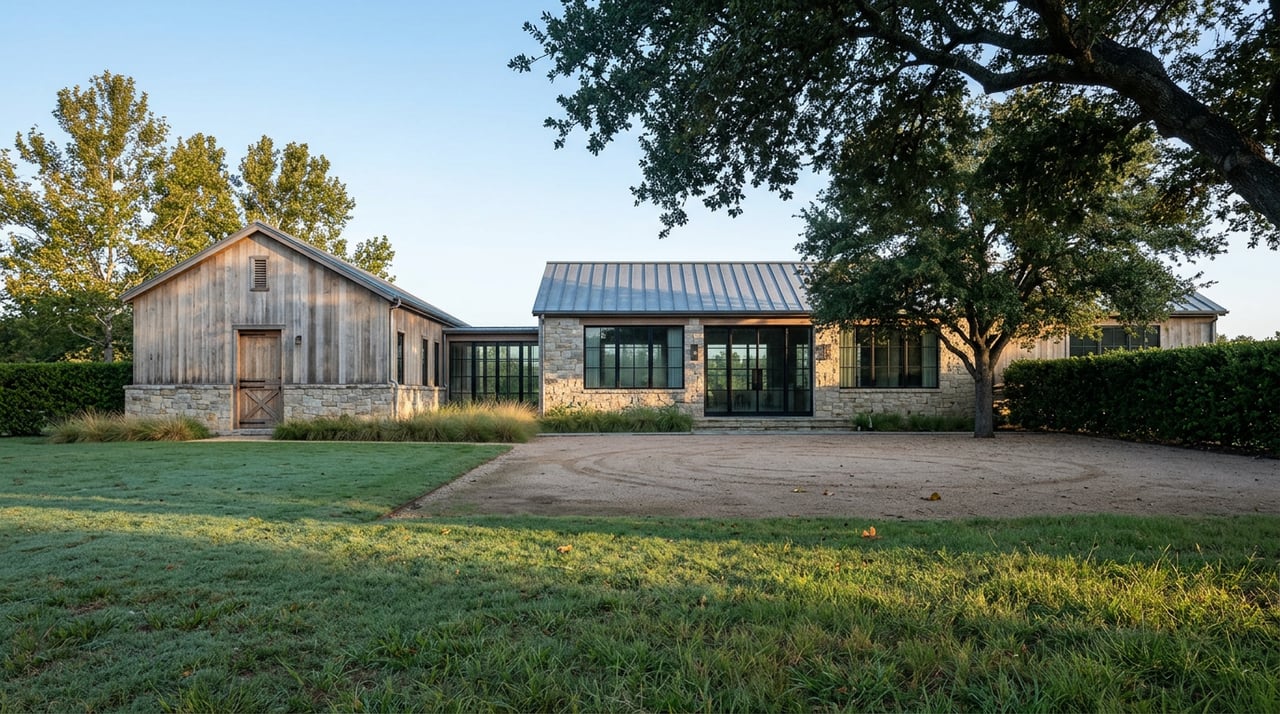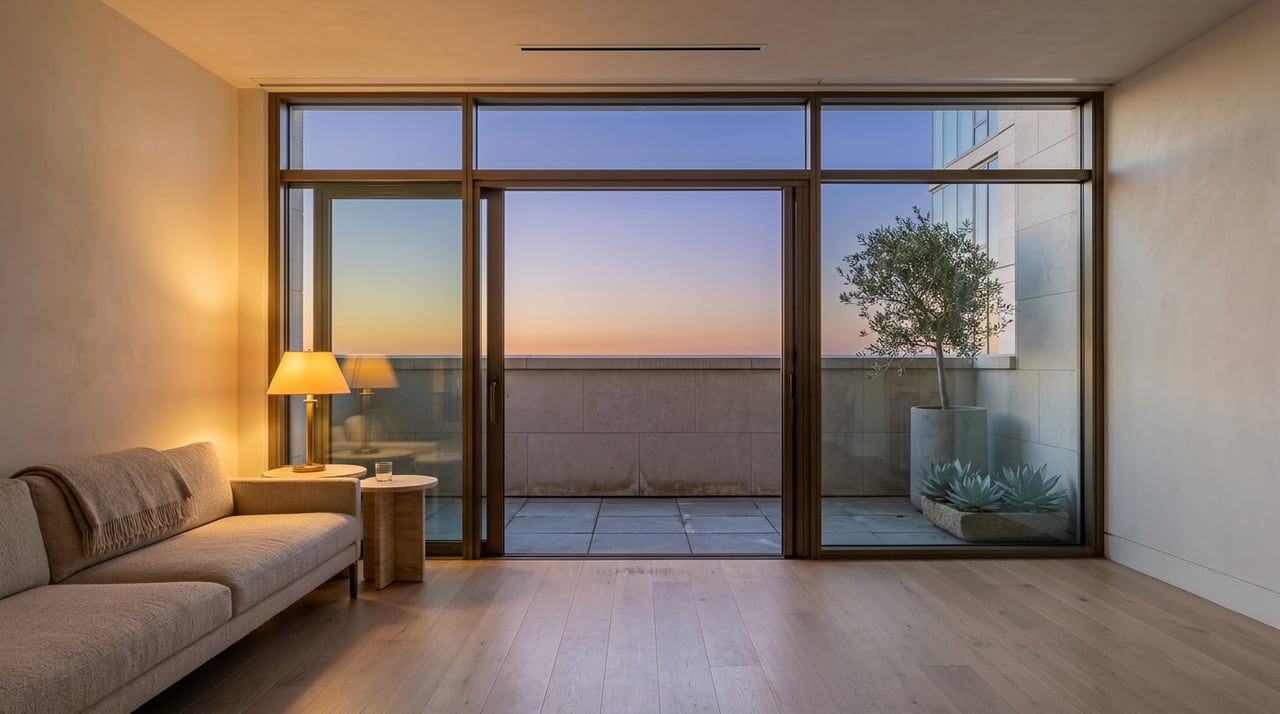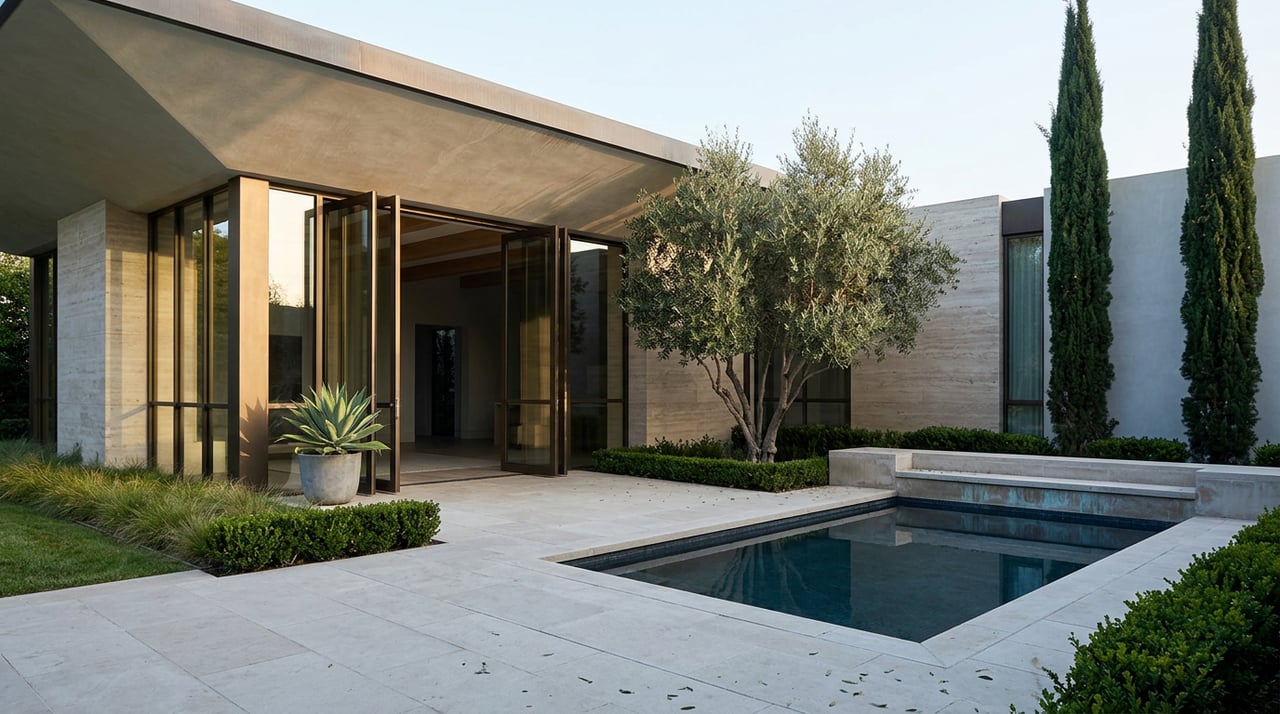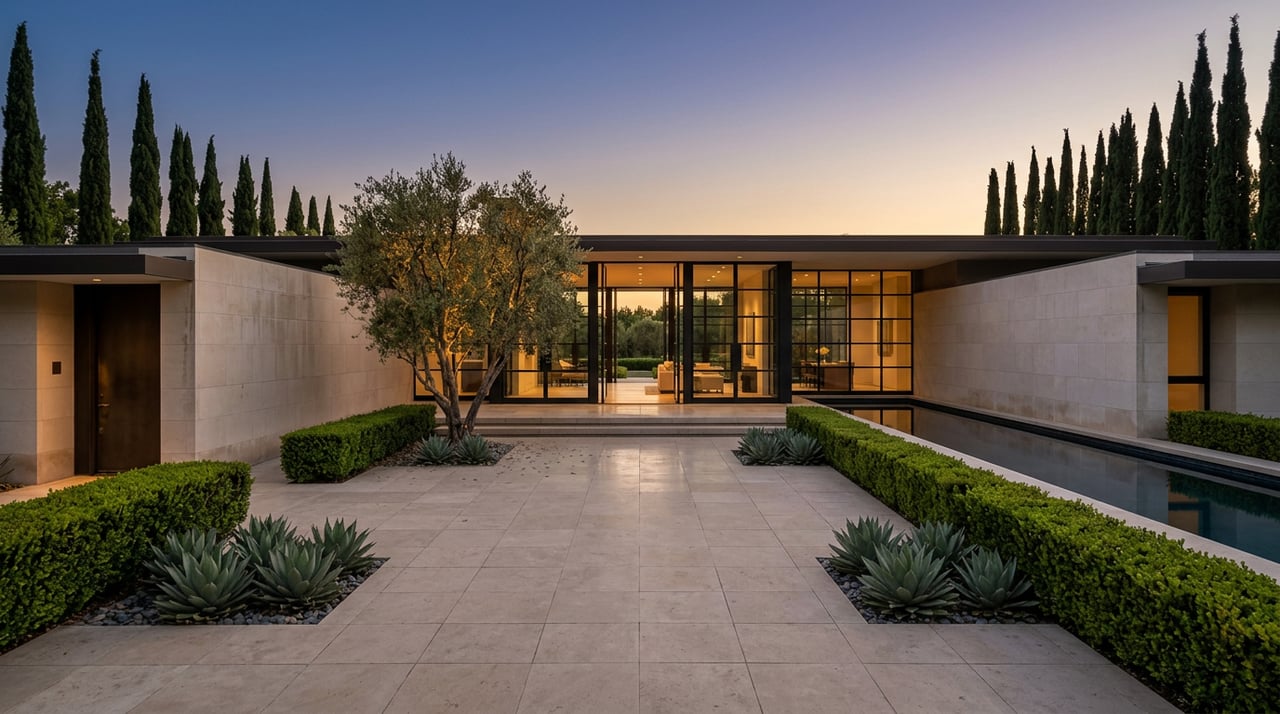
Privacy is often part of the reason you chose Holmby Hills in the first place. When it is time to sell, that same priority can shape every part of your strategy, from how your home is introduced to the market to who gets through the gate. If you want to protect discretion without losing sight of price, timing, and leverage, a carefully staged plan matters. Let’s dive in.
Why discretion matters in Holmby Hills
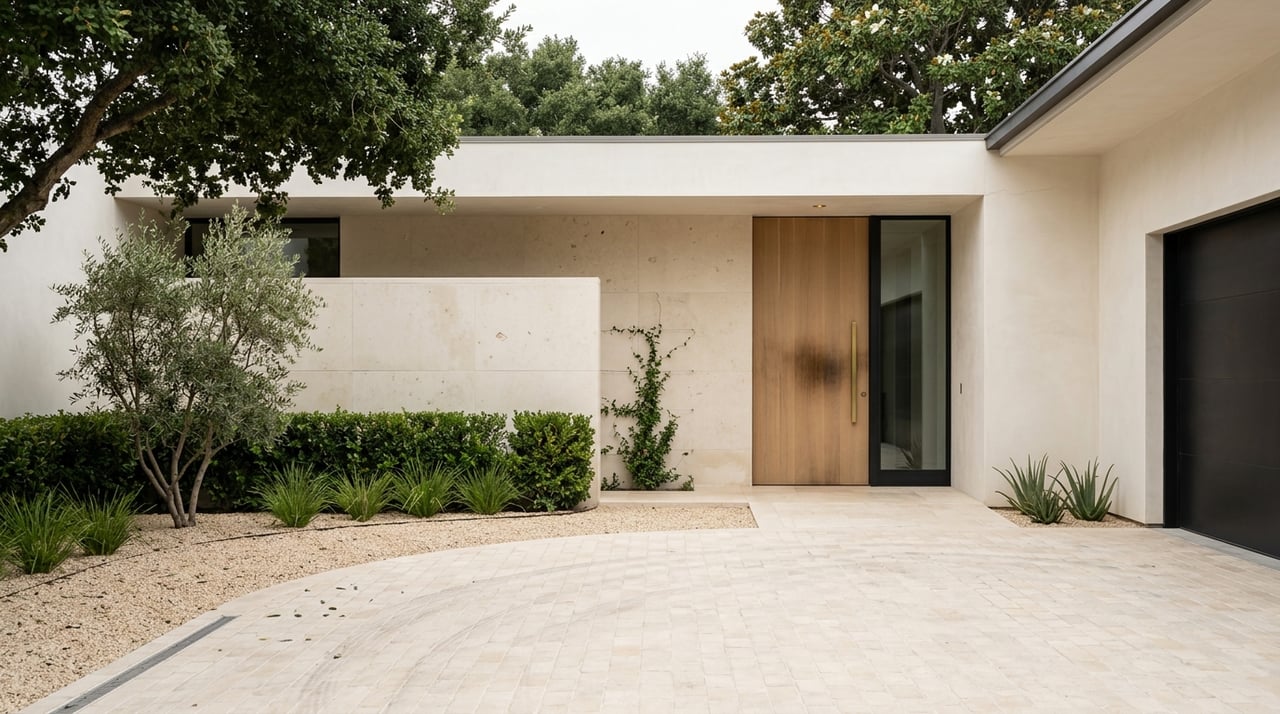
Holmby Hills has a long history as an estate neighborhood where privacy is part of the appeal. Los Angeles’ SurveyLA historic context notes that residents were drawn to the area for privacy, amenities, and proximity to studios, and that some properties are difficult to observe from the public right-of-way because of privacy walls and landscaping.
That context is important because discreet selling here is not just a preference. It often aligns with how these estates were designed and how owners use them. In a neighborhood built around scale, setbacks, gates, and mature landscaping, a lower-visibility sale can feel more natural than a broad public rollout.
The market also supports a more strategic approach. Redfin reported that in March 2026, Holmby Hills homes sold at a median price of $6.9 million, with a median 186 days on market, only three homes sold, and a 95.7% sale-to-list ratio. In a thin, high-value market like this, how you launch can matter just as much as whether you launch publicly.
What a discreet sale actually means
In Los Angeles today, “discreet” does not mean the same thing in every listing scenario. Some options are truly private, while others simply limit early access or delay showings. If you are selling a Holmby Hills estate, that distinction matters.
At a high level, there are three common paths:
- True off-market privacy through an office-exclusive or CRMLS registered listing
- Limited-access prep through a Coming Soon status
- Controlled private outreach through one-to-one broker communication before public marketing begins
Each path comes with different visibility, rules, and tradeoffs. The right choice depends on how much privacy you want, how broad your buyer pool needs to be, and how much price discovery you are willing to give up in exchange for discretion.
True off-market options in CRMLS
If your goal is the highest level of privacy, the practical local route is usually an office-exclusive or CRMLS registered listing. CRMLS states that registered listings do not appear in the MLS and are not distributed anywhere. It also states that if a seller wants a listing excluded from the MLS, it must be registered within two days of the effective date of the listing agreement.
This is the clearest option for estate owners who do not want public-facing exposure. It keeps the property out of standard MLS distribution and avoids the broader digital trail that can come with a traditional launch.
That said, private does not mean casual. A registered or office-exclusive strategy still needs clear pricing, targeted buyer identification, and disciplined communication. In a market with very few sales, the margin for error can be narrow.
Why Coming Soon is not truly private
Some sellers assume a Coming Soon listing is a discreet middle ground. In CRMLS, that is not really the case.
CRMLS rules say Coming Soon listings are not available for showings. CRMLS also announced that Coming Soon listings entered on or after March 10, 2026 are syndicated via IDX to public portals and third-party websites, and CRMLS requires an exterior photograph for Coming Soon listings.
In other words, Coming Soon can be useful for preparation and timing, but it is not a privacy shield. It is better understood as a limited-access preview period rather than a quiet sale strategy.
How private broker outreach fits in
There is a narrower option between full privacy and broad exposure. NAR’s 2025 clarification states that one-to-one broker-to-broker communications do not trigger Clear Cooperation, while multi-brokerage communications do.
For a Holmby Hills seller, that creates room for a controlled pre-launch phase. A team can privately reach out to select brokers or qualified buyers on an individual basis before any broader public marketing begins, as long as local MLS rules are followed.
This can work well when your goal is to test buyer response without immediately placing the estate in front of the entire market. It also gives you more control over who hears about the property first and how the opportunity is framed.
A smart sequence for a privacy-first launch
For many estate owners, the best strategy is not choosing privacy or exposure in absolute terms. It is sequencing both in the right order.
A sensible approach in Holmby Hills often looks like this:
- Start with private outreach to a small circle of qualified brokers and buyers
- Move to escorted, appointment-only showings with a tightly controlled schedule
- Expand to a broader public launch only if needed
This structure is consistent with current MLS rules and the realities of a high-value, low-volume market. It gives you the chance to pursue a clean, quiet sale first while preserving the option to widen the audience later.
Showings should be part of the privacy plan
In an estate sale, privacy is not only about whether the listing appears online. It is also about how access is handled once interest begins.
CRMLS rules state that a participant or subscriber must be physically present when providing access to a listed property unless the seller consents otherwise. That supports escorted, appointment-only showings as a deliberate privacy measure rather than just a style preference.
For Holmby Hills owners, this matters. A controlled showing plan can help reduce unnecessary traffic, protect household routines, and maintain a higher standard for buyer qualification. In practice, the showing experience should feel intentional from the first inquiry through the final walk-through.
Marketing assets can either protect or expose you
Photos, videos, teaser copy, email campaigns, signs, and website placement all affect how visible your sale becomes. NAR defines public marketing broadly to include yard signs, flyers, public-facing websites, brokerage website displays, email blasts, multi-brokerage listing networks, and apps available to the general public.
That means privacy is shaped long before a formal listing goes live. If discretion is the goal, marketing assets need to be timed carefully and released only when you are ready for broader exposure.
For some sellers, that may mean limiting visuals early, avoiding public signage, and keeping property details tightly held during the first phase. For others, it may mean preparing full media-grade materials in advance but waiting to deploy them until the strategy shifts from private to public.
The pricing tradeoff is real
The biggest question in any discreet sale is simple: what might you gain in privacy, and what might you give up in exposure?
Zillow’s February 2025 research found that off-MLS sellers across 2023 and 2024 collectively left more than $1 billion on the table. The median off-MLS loss was 1.5% nationally and 3.7% in California, while the luxury tier loss was smaller at 0.4%.
That does not mean every off-market Holmby Hills sale underperforms. The study excluded sale prices above $10 million, so it does not fully capture the top end of the market where many Holmby Hills estates trade. Still, the broader takeaway is useful: more privacy usually means less exposure, and less exposure can limit competition and price discovery.
Documentation still matters in a private sale
A discreet transaction does not reduce California disclosure obligations. The California Department of Real Estate states that the Real Estate Transfer Disclosure Statement must be delivered as soon as practicable and before transfer of title. It also states that listing and selling brokers must perform a reasonably competent and diligent visual inspection to disclose material facts affecting value, desirability, and intended use.
DRE’s 2025 update adds that the Natural Hazard Disclosure Statement now includes high fire hazard severity zones. It also says sellers who obtained title within the previous 18 months must disclose contractor-performed additions, structural changes, alterations, or repairs over $500, including permits.
For Holmby Hills estate owners, this is especially important because many properties are legacy homes with long ownership histories, layered renovations, or older construction periods. Private should never mean light on paperwork.
Older estates may need added disclosure review
If your property was built before 1978, federal lead-based paint disclosure rules apply, including the EPA pamphlet and an inspection opportunity, according to the DRE’s RE 6 guide. If the home was built before January 1, 1960, the same guide notes that it may require the Homeowner’s Guide to Earthquake Safety and disclosure of known structural deficiencies such as unbraced cripple walls, unreinforced masonry, or an unanchored water heater.
These are not small details in an estate transaction. They should be reviewed early so your strategy is not delayed later by document gathering, repair questions, or incomplete records.
The DRE also notes that exclusive listing agreements for single-family residential property may not exceed 24 months, with renewals capped at 12 months. If you are considering a longer private-selling window, your listing structure still needs to fit California rules.
Choosing the right discreet-sale strategy
There is no single best way to sell a Holmby Hills estate quietly. The strongest strategy depends on your timeline, your privacy threshold, the home itself, and the depth of the likely buyer pool.
If absolute discretion is the priority, a true off-market or CRMLS registered path may be the right fit. If you want a measured rollout with room to widen later, a controlled broker-and-buyer outreach phase followed by selective showings may offer the best balance.
What matters most is clarity from the start. You should know which steps preserve privacy, which steps trigger public visibility, and what tradeoffs come with each.
In a neighborhood where privacy has always been part of the address, selling well often means controlling the sequence as carefully as the story. If you are considering a discreet sale in Holmby Hills, Walters | Plaxen Estates - Main Site offers high-touch guidance for privacy-driven sellers who want strategy, precision, and careful execution.
FAQs
What is a true off-market listing in Holmby Hills?
- In the CRMLS environment, a true off-market path typically means an office-exclusive or registered listing that does not appear in the MLS and is not distributed publicly.
Is a Coming Soon listing private in Los Angeles?
- No. CRMLS states that Coming Soon listings are syndicated to public portals and third-party websites, require an exterior photo, and do not allow showings.
Can a Holmby Hills seller privately test buyer interest first?
- Yes. One-to-one broker-to-broker communication can allow a limited private outreach phase before broader public marketing begins, if local MLS rules are followed.
How should showings work for a private Holmby Hills estate sale?
- CRMLS rules support physically present, escorted access unless the seller consents otherwise, which makes appointment-only showings a strong privacy tool.
Does a private California home sale reduce disclosure requirements?
- No. California disclosure duties still apply, including transfer disclosure requirements, visual inspection obligations, and any applicable natural hazard or property-condition disclosures.
What should sellers of older Holmby Hills estates prepare for?
- Older homes may require additional disclosure review, including lead-based paint disclosures for pre-1978 homes and earthquake-related disclosures for certain homes built before 1960.