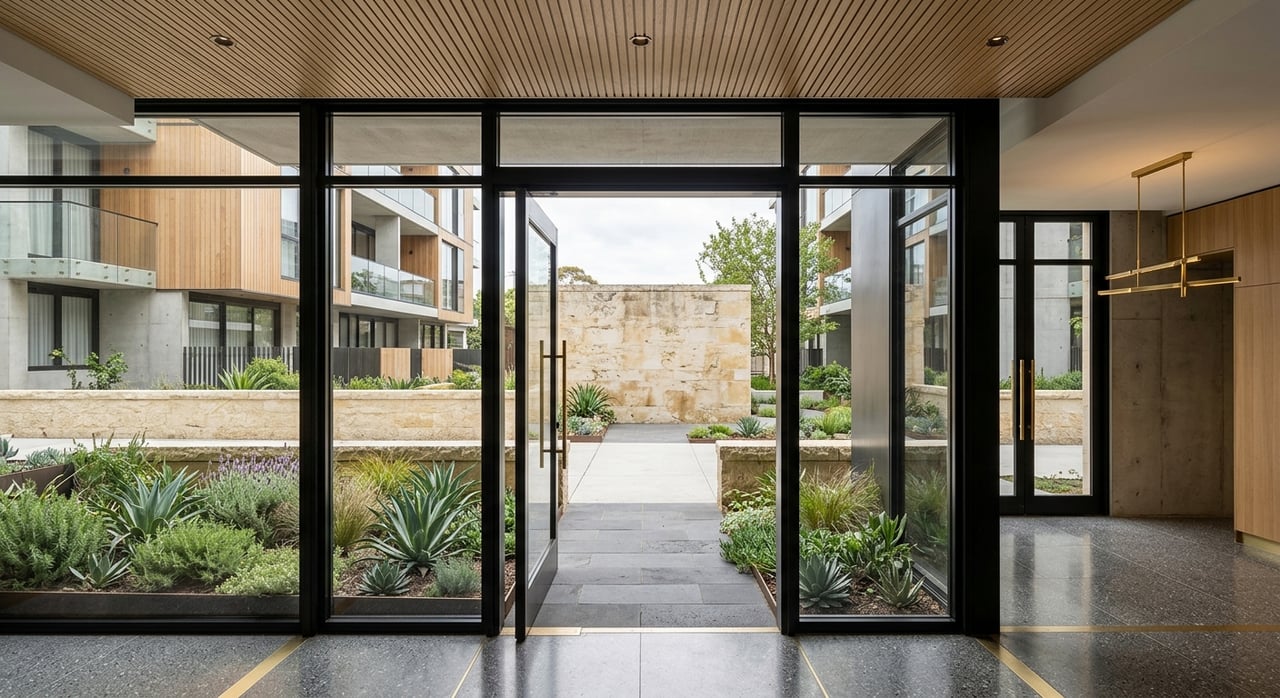
If you want Los Angeles luxury without relying on your car for every plan, West Hollywood stands out fast. In a city known for driving, this 1.9-square-mile pocket offers a more connected way to live, where design, dining, wellness, and everyday errands can sit within a short walk. For buyers who care about convenience, style, and a polished daily rhythm, West Hollywood offers a rare mix. Let’s dive in.
Why West Hollywood Feels So Walkable
West Hollywood is built differently than many surrounding areas. The city reports a Walk Score of 91, and its compact footprint helps put daily destinations closer together than you might expect in greater Los Angeles.
That walkability is not accidental. City planning documents emphasize pedestrian-friendly streets, bicycle access, widened sidewalks, crosswalks, public art, and neighborhood-serving businesses placed within reach of residential areas. If you are looking for a luxury lifestyle that feels more immediate and less car-dependent, that planning matters.
The result is a routine that can feel lighter. You may still drive for some meetings or destinations across Los Angeles, but in West Hollywood, many day-to-day activities can happen on foot, by free local shuttle, or with a Metro connection.
Luxury Here Means Access
In West Hollywood, luxury is not only about finishes or square footage. It is also about how easily your day flows.
You can step out for coffee, walk to dinner, fit in a workout, run a quick errand, and still be home without circling for multiple stops across town. That kind of convenience changes how a home feels in practice, especially if you value time, design, and flexibility.
The city also has a strong visual and cultural identity. West Hollywood lists more than 80 designated historic and cultural resources, including six historic districts, which helps give the area character beyond simple density.
The Corridors That Shape Daily Life
Design District Living
The West Hollywood Design District anchors the southwest corner of the city, roughly between La Cienega Boulevard, Doheny Drive, Melrose Avenue, and Beverly Boulevard. According to Visit West Hollywood, the district includes more than 250 establishments and more than 200 storefronts, centered around the Pacific Design Center.
For buyers, that translates into a highly curated daily environment. The district blends design studios, galleries, stylish retail, cafés, restaurants, and wellness-oriented businesses in a setting that feels distinctly design-forward.
If your ideal routine includes beautiful storefronts, polished dining options, and a strong visual point of view, this area delivers. It also supports a lifestyle where stepping out for meetings, shopping, or a casual lunch can feel seamless.
Sunset Strip Energy
The Sunset Strip runs about 1.6 miles through the heart of West Hollywood and remains one of the area’s defining corridors. It brings together hotels, restaurants, music venues, nightlife, and retail in one recognizable stretch.
What makes it notable for residents is its on-foot accessibility. Visit West Hollywood notes that much of the corridor can be explored on foot, which gives nearby homes an advantage if you want immediate access to nightlife, hospitality, and iconic Los Angeles energy.
This part of West Hollywood tends to appeal to buyers who want a lively setting and a front-row seat to one of the city’s best-known entertainment corridors. It is an urban lifestyle, but one with strong luxury appeal.
Sunset Plaza Convenience
Sunset Plaza offers a more compact version of that same walkable ease. On a tree-lined two-block stretch of Sunset Boulevard, you will find shopping, dining, fitness studios, and spa experiences clustered together.
That concentration matters. It creates the kind of neighborhood rhythm where a quick walk can cover multiple needs, from a morning class to lunch to an afternoon appointment.
For buyers who want luxury with a more edited, everyday feel, Sunset Plaza often represents the appeal of living close to activity without feeling stretched across a larger geography.
Rainbow District Access
Along Santa Monica Boulevard, the Rainbow District extends about one mile from La Cienega Boulevard to Doheny Drive. Visit West Hollywood describes it as home to more than 50 LGBTQ+-owned and allied restaurants, bars, shops, nightclubs, and community organizations.
This corridor also includes gyms, wellness studios, restaurants, and late-night destinations, all supported by free shuttle service and Metro links noted by the city. For residents, it creates another strong axis of walkable daily life.
If you value an active street presence and a neighborhood that stays engaged throughout the day and evening, Santa Monica Boulevard adds real lifestyle depth. It is one of the clearest examples of how West Hollywood supports a car-light routine without giving up convenience or energy.
What the Housing Mix Means for Buyers
West Hollywood’s walkable lifestyle is closely tied to its housing pattern. According to the city’s Housing Element technical background report, the 2020 housing mix included 22,867 multifamily units compared with 2,941 single-family units.
That matters because condo-rich and mixed-use living are not isolated exceptions here. They are a structural part of the city, especially near the commercial corridors that shape daily life.
For many luxury buyers, that opens up strong options for lock-and-leave convenience, amenity-rich buildings, and residences positioned close to restaurants, retail, and wellness destinations. If your priority is proximity and ease, West Hollywood’s multifamily base supports that well.
A More Layered Residential Map
At the same time, West Hollywood is not one-note. City zoning recognizes detached single-family homes, attached single-family units, duplexes, triplexes, and townhouse development.
The city’s adopted plans identify West Hollywood West and Norma Triangle as single-family neighborhoods. Norma Triangle, in particular, is described as a 173-parcel neighborhood where single-family homes sit among commercial and multifamily buildings, with valued walkability to nearby shops, bars, and restaurants.
That layered housing mix gives buyers range. You can pursue a residence close to the action or look for a quieter residential setting while staying within the same highly connected city.
Everyday Amenities That Support Luxury Living
Walkability only works when the amenities are useful. In West Hollywood, they are.
City recreation services operate at West Hollywood Park Aquatic and Recreation Center, Plummer Park, and Kings Road Park. The Helen Albert Certified Farmers’ Market takes place every Monday at Plummer Park, adding a practical fresh-food option to the weekly routine.
The Aquatic and Recreation Center adds another layer to that lifestyle appeal. The city describes it as a rooftop facility with lap swim, water fitness, and views of Downtown Los Angeles and the Hollywood Hills, which gives residents a wellness resource that feels elevated rather than purely functional.
Wellness is a recurring part of the city’s identity. Visit West Hollywood positions the area as a wellness destination with spas, fitness studios, and luxury hotels, and Sunset Plaza is one example of how those uses cluster within a short walking distance.
Is a Car-Light Lifestyle Realistic?
For many buyers, yes. West Hollywood’s free Cityline buses, free weekend nighttime service on Santa Monica Boulevard, and Metro connections create options beyond driving.
That does not mean you will never use a car in Los Angeles. It means you may not need one for every piece of your day, especially if you choose a home near one of the city’s key corridors.
For buyers relocating from more suburban neighborhoods, this can be one of the biggest quality-of-life upgrades. The shift is not only shorter trips. It is the ability to make your day more spontaneous, flexible, and local.
Who West Hollywood Fits Best
West Hollywood often appeals to buyers who want more than a beautiful home. They want a lifestyle with movement, access, and a clear point of view.
It can be a strong fit if you value:
- Walkable access to dining, shopping, and wellness
- A condo or multifamily option near key corridors
- A design-conscious setting with strong street life
- A central location connected to the rest of Los Angeles
- The ability to choose between lively and quieter residential pockets
In luxury real estate, that combination is hard to replicate. West Hollywood offers a version of Los Angeles living that feels edited, urban, and highly usable day to day.
What to Look for When Buying
If you are considering West Hollywood, focus on how the property supports your actual routine. The right home is not only about the interior. It is also about your relationship to the city around it.
As you evaluate options, consider:
- How close you are to your preferred corridor, whether that is the Design District, Sunset Strip, Sunset Plaza, or Santa Monica Boulevard
- Whether you want a multifamily residence or a lower-density residential setting
- How often you expect to walk for dining, fitness, errands, or entertainment
- How building style, street character, and surrounding uses affect your day-to-day comfort
Those details help define whether a home simply sits in West Hollywood or truly delivers the lifestyle that draws buyers there in the first place.
West Hollywood remains one of the clearest examples of walkable luxury in Los Angeles. If you want a home that supports a more connected, design-aware, and convenience-driven lifestyle, it deserves a close look. To explore West Hollywood opportunities with strategic guidance and a discreet, high-touch approach, connect with Walters | Plaxen Estates - Main Site.
FAQs
What makes West Hollywood walkable for luxury buyers?
- West Hollywood combines a compact 1.9-square-mile footprint, a Walk Score of 91, pedestrian-focused planning, free local shuttle options, and corridors lined with dining, retail, wellness, and entertainment uses.
Which West Hollywood areas support a walkable lifestyle?
- The Design District, Sunset Strip, Sunset Plaza, and the Santa Monica Boulevard corridor all support walkable daily life, each with a different mix of design, dining, wellness, shopping, and entertainment.
What types of homes are common in West Hollywood?
- West Hollywood is primarily multifamily, with the city reporting 22,867 multifamily units and 2,941 single-family units in 2020, though buyers can also find detached homes, attached homes, duplexes, triplexes, and townhouses.
Are there quieter residential pockets in West Hollywood?
- Yes. City planning documents identify areas such as West Hollywood West and Norma Triangle as single-family neighborhoods that offer a more residential feel while remaining close to commercial corridors.
Can you realistically live with less driving in West Hollywood?
- For many residents, yes. The city supports car-light living through walkable corridors, free Cityline buses, free weekend nighttime service on Santa Monica Boulevard, and Metro connections.
What everyday amenities support West Hollywood living?
- Key amenities include West Hollywood Park Aquatic and Recreation Center, Plummer Park, Kings Road Park, the Monday Helen Albert Certified Farmers’ Market, and a wide range of fitness, spa, and wellness destinations across the city.