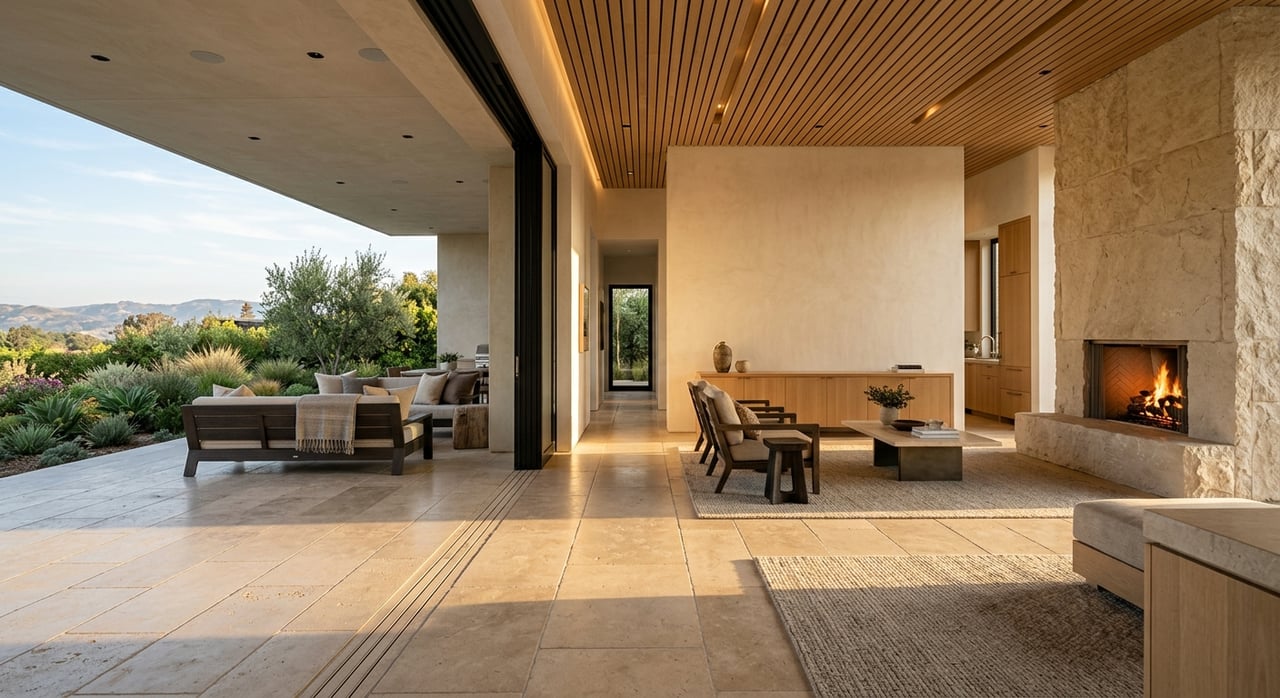
What makes a Malibu luxury home truly memorable? It is rarely just the view or the address. In Malibu, architecture is shaped by the coastline, the topography, and the realities of long-term exposure, so the most successful homes pair striking design with a smart response to the site. If you are buying or selling in this market, understanding the core architectural styles can help you read value more clearly. Let’s dive in.
Why Malibu Architecture Feels Distinct
Malibu’s luxury homes are defined as much by land and climate as by aesthetics. The entire city sits within the California coastal zone, and development is governed by the Local Coastal Program and coastal development permits. That means design choices are often influenced by parcel location, shoreline conditions, bluff placement, and technical review requirements.
That setting also brings real environmental pressures. Malibu is planning around wildfire risk, geotechnical safety, climate adaptation, and evacuation needs, while the city’s coastal work points to sea-level rise, storm flooding, tidal inundation, and erosion as long-term design considerations. In simple terms, the best Malibu homes do not ignore the site. They are built around it.
Beachfront Contemporary Homes
Beachfront contemporary is one of Malibu’s most recognized luxury styles. These homes often feature clean lines, open layouts, floor-to-ceiling glass, and large sliding doors that extend living spaces onto decks facing the water. Materials commonly include wood, stone, copper, and light neutral finishes that keep the focus on the ocean.
This style tends to appeal to buyers who want seamless indoor-outdoor living and a strong entertaining layout. It often feels open, bright, and directly connected to the beach. The tradeoff is that more glazing, exterior decking, and exposed finishes can mean more ongoing upkeep in a coastal environment.
Salt spray and moisture matter here. Coastal construction guidance notes that these conditions can contribute to corrosion and decay, which makes material selection, installation quality, and maintenance especially important for homes on or near the shoreline.
Glass-and-Steel Hillside Modern
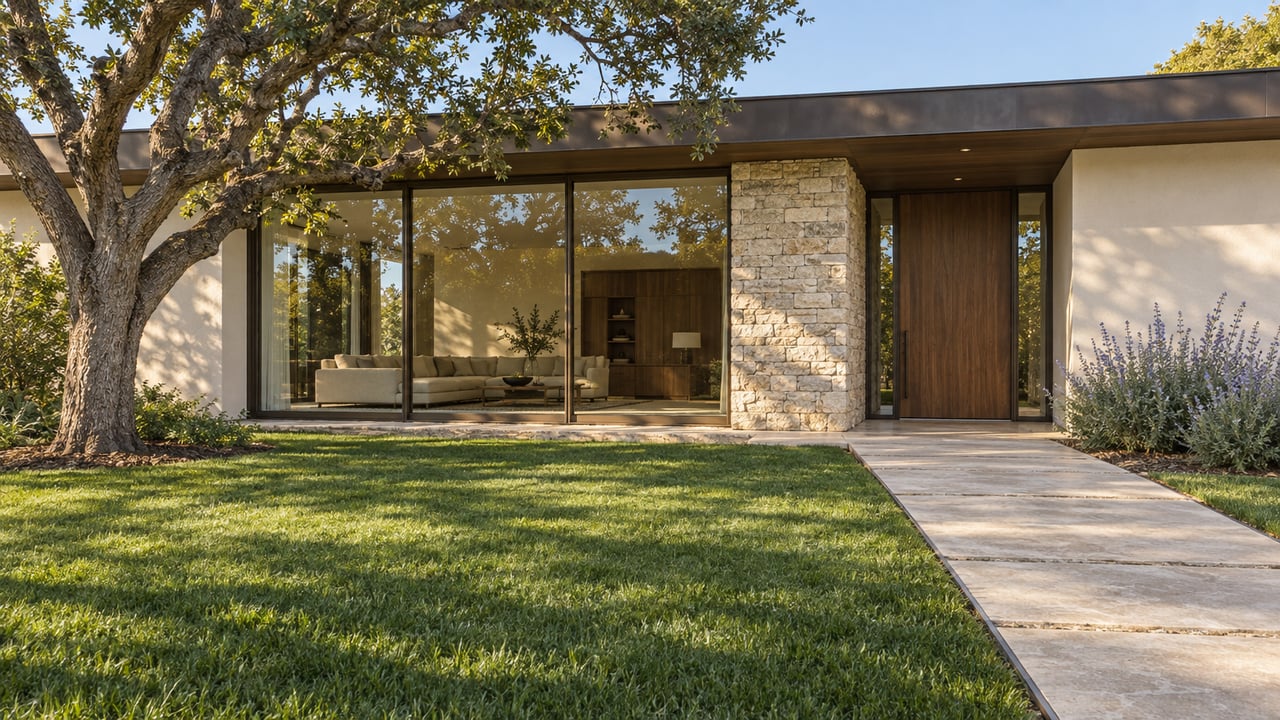
On bluff, hillside, and canyon sites, glass-and-steel modern homes are a defining part of Malibu’s luxury inventory. These residences often use steel framing, expansive glass walls, skylights, and elevated siting to capture long views over the ocean or canyon. The effect is architectural and dramatic, but also highly tied to terrain.
This style usually attracts buyers who value privacy, bold design, and a sense of elevation above the coastline. It can offer remarkable visual impact without direct beachfront frontage. It also tends to involve more structural and site-management complexity because hillside and bluff conditions often shape what can be built and how it must perform.
In Malibu, lot position matters as much as design language. Shoreline, bluff-top, and certain site improvements may require technical review under local coastal standards, so buyers should think beyond appearance and consider how the home engages with the land itself.
Farmhouse-Inspired and Modern-Rustic Homes
Malibu also has a quieter luxury language that shows up on larger inland, canyon, and farmland properties. Farmhouse-inspired and modern-rustic homes often combine warmth with openness through vaulted ceilings, cedar or shou sugi ban cladding, gardens, orchards, and a more grounded relationship to the land. These homes feel less about spectacle and more about retreat.
For many buyers, this style offers a sense of calm and scale that differs from the sharp edge of coastal modernism. It can work especially well for those who want a compound feel, outdoor space, and architecture that reflects Malibu’s agricultural history. The lifestyle is often more land-oriented than oceanfront-oriented.
The maintenance profile is different too. Larger lots, planted grounds, and garden-driven design usually require more landscape care, which should be part of how you evaluate fit over time.
Traditional and Spanish-Influenced Homes
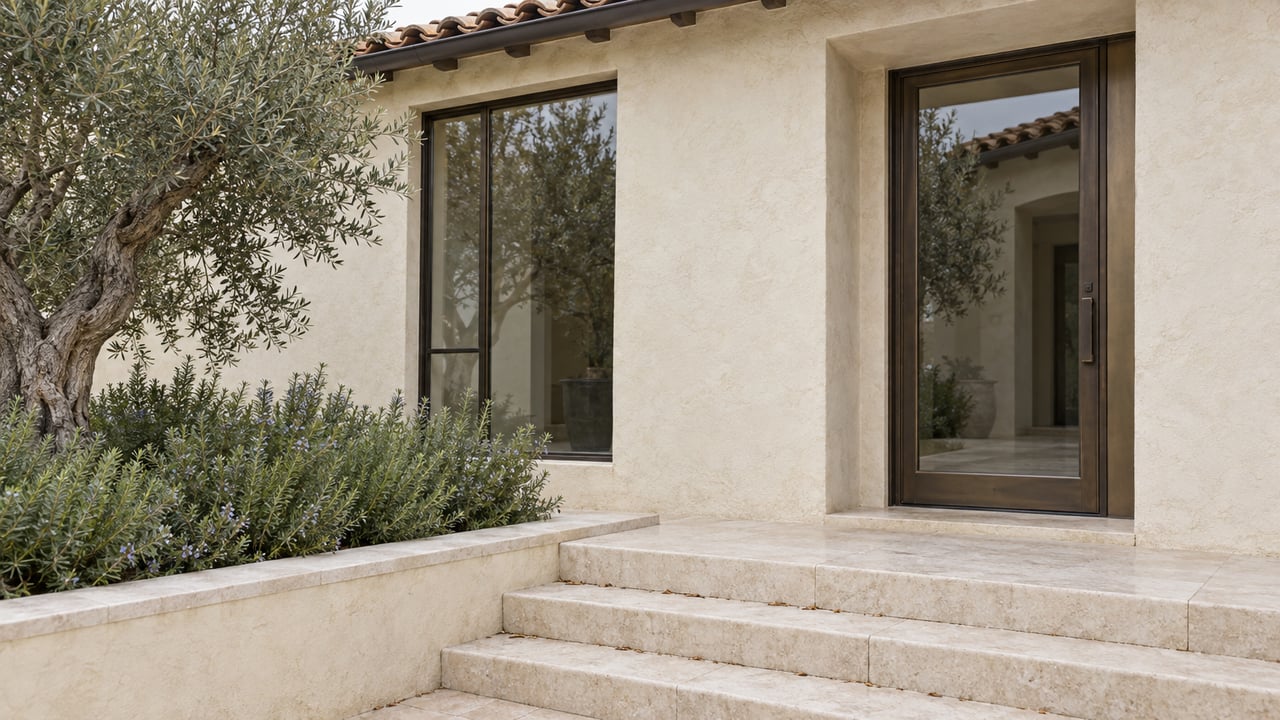
Traditional coastal homes remain an important part of Malibu’s luxury market. You will often see features like courtyards, fireplaces, wood-beamed ceilings, sheltered outdoor rooms, and oceanfront decks. In some homes, Spanish-influenced details such as stone finishes, reclaimed roof tiles, and iron accents create a more textured and layered look.
This style often appeals to buyers who want classic luxury with a softer architectural expression. Compared with glass-heavy modern homes, it can feel more enclosed, more intimate, and more materially rich. That makes it a strong option for buyers who want warmth and character over a minimalist aesthetic.
The tradeoff is usually in the variety of materials. Stone, tile, wood, and iron can create beautiful depth, but they can also bring a more involved maintenance rhythm over time.
Mid-Century Modern and Post-and-Beam
Mid-century modern and post-and-beam homes still hold real significance in Malibu. Many of these older modernist residences were designed to work naturally with hillside or canyon lots, using horizontal lines, open plans, skylights, and walls of glass. They remain highly desirable for buyers who care about architectural pedigree and clean design.
These homes often attract two kinds of buyers. The first is the design-minded buyer who wants original character and a strong connection to Malibu’s modernist history. The second is the renovation-minded buyer who sees potential in updating an older structure for current living.
That update path can be important. Older glazing, mechanical systems, and building envelopes may need improvement to align with today’s expectations for comfort, durability, and performance.
What Style Really Tells You
In Malibu, architectural style is not just visual. It often signals how you are likely to live in the home and what level of upkeep the property may require. A beachfront contemporary may prioritize entertaining and direct water-facing living, while a hillside modern may prioritize privacy and dramatic outlooks.
A farmhouse-inspired property may suggest a compound lifestyle with more land to manage. A traditional or Spanish-influenced home may offer more sheltered outdoor spaces and a layered interior feel. A mid-century home may offer architectural authenticity with renovation upside.
That is why style should always be read together with site exposure. In this market, a beautiful home is only part of the story. The lot, the climate, and the maintenance profile are equally important.
Site Conditions Matter Most
If you are evaluating Malibu real estate seriously, start with the lot before you fall in love with the finishes. Beachfront, bluff-top, hillside, and canyon conditions can affect permit review, engineering needs, long-term resilience, and day-to-day ownership. In many cases, the architecture that works best is the one that responds most intelligently to those conditions.
Wildfire resistance is especially important in Malibu. The city notes that all of Malibu falls within its Fire Hazard Severity Zone, and CAL FIRE recommends features such as ignition-resistant materials, Class A roof coverings, tempered glass, ember-resistant zones, and ignition-resistant vents and decks.
Coastal exposure matters too. Sea-level rise, flooding, erosion, and storm impacts are part of Malibu’s long-range planning context. For buyers, that means the right architectural choice is not only about taste. It is also about how much complexity, exposure, and upkeep you want to take on.
How Buyers and Sellers Can Use This Insight
If you are buying, architectural style can help you narrow the field quickly. Ask yourself whether you want direct beach living, elevated privacy, a land-rich retreat, or a home with classic detail and enclosure. Then compare that preference against the realities of maintenance, site conditions, and resilience.
If you are selling, style helps shape positioning. In Malibu, the strongest marketing narratives connect architecture to lifestyle, but they also speak clearly to setting, materials, and how the home interacts with the site. Buyers at this level are not only purchasing square footage. They are purchasing a design point of view and an ownership experience.
Malibu’s best homes stand out because they do both well. They present beautifully, and they make sense for where they are.
If you are considering a Malibu purchase or preparing to position a luxury home for sale, working with a team that understands architecture, privacy, and property narrative can sharpen every decision. Walters | Plaxen Estates - Main Site brings a high-touch, design-aware approach to luxury representation with the discretion and execution this market demands.
FAQs
What architectural style is most common in Malibu luxury homes?
- Malibu luxury homes span several key styles, including beachfront contemporary, glass-and-steel hillside modern, farmhouse-inspired modern-rustic, traditional coastal, Spanish-influenced, and mid-century modern homes.
What matters more than style when buying a Malibu home?
- In Malibu, lot position and exposure often matter more than style because beachfront, bluff-top, hillside, and canyon sites can affect permit review, engineering needs, resilience, and upkeep.
Why are modern homes so common in Malibu?
- Modern homes work well in Malibu because open plans, expansive glass, and strong indoor-outdoor flow help capture ocean or canyon views while responding to dramatic site conditions.
Are Malibu beachfront homes harder to maintain?
- Beachfront homes can require more upkeep because coastal moisture and salt spray may contribute to corrosion and decay, especially on exposed glazing, decks, and exterior finishes.
How important is wildfire-resistant design in Malibu homes?
- Wildfire-resistant design is very important because all of Malibu falls within the city’s Fire Hazard Severity Zone, and recommended features include ignition-resistant materials, Class A roof coverings, tempered glass, and ember-resistant details.
Do older mid-century Malibu homes need updating?
- Many older mid-century and post-and-beam homes may benefit from updates to glazing, mechanical systems, and building envelopes to better meet current performance and comfort expectations.