Shopping in Bel Air is not just about price or views. The architecture you choose shapes daily life, maintenance, permitting, and long‑term value. From classic estates to glass‑forward new builds, each style carries specific trade‑offs that matter before you write an offer. This guide breaks down the main Bel Air home types and what they signal for you as a buyer. Let’s dive in.
Bel Air styles at a glance
Bel Air began in the 1920s as a community of large, private estates, and that legacy still guides lot patterns today. Topography ranges from flat bluffs to steep canyons, which explains the mix of wide, park‑like compounds and compact hillside moderns. You see this history in the area’s estate‑scale parcels, formal drives, and architecturally significant homes documented in the city’s historic resources survey for Bel Air–Beverly Crest. For a deeper look at that planning and architectural context, review the city’s Historic Resources Survey Report for the area published by Los Angeles City Planning.
Classic estates: pedigree and upkeep
What you see
Formal Georgian, Colonial, Tudor, and Hollywood‑era mansions with masonry or stucco facades, grand entries, and mature landscaping. Many include separate guest or staff houses and formal gardens.
Lot pattern and privacy
Often on flatter, wider parcels in Lower Bel Air or on large, terraced lots where original estate plats remain intact. Long motor courts and significant setbacks are common.
Amenities and maintenance
Expect pools, tennis courts, and extensive historic interiors. Older structural systems and period materials mean higher ongoing maintenance. You may need seismic or systems upgrades, and major work can trigger historic‑resource review if the property is designated or eligible under city preservation programs.
Buyer fit
You value architectural pedigree, privacy, and formal entertaining. You are prepared to budget for specialist trades and sensitive restoration.
Mediterranean Revival: courtyards and flow
What you see
Spanish‑Colonial and Mediterranean Revival homes with stucco walls, red clay tile roofs, arched loggias, and wrought‑iron details. Many wrap around internal courtyards that anchor indoor‑outdoor living.
Lot pattern and privacy
Sprawling parcels with terraces and multiple outdoor rooms. Circulation is courtyard‑forward, ideal for large gatherings.
Amenities and maintenance
Tiled roofs are durable, yet flashings and penetrations need attention. Courtyard fountains and thick plaster walls often hide older mechanicals. Restoration usually calls for skilled stucco, tile, and ornamental metalwork. If a home is designated or eligible for local historic status, exterior changes may require design review.
Buyer fit
You are drawn to classic Los Angeles romance, a natural indoor‑outdoor sequence, and timeless materials.
Mid‑century modern: glass and views
What you see
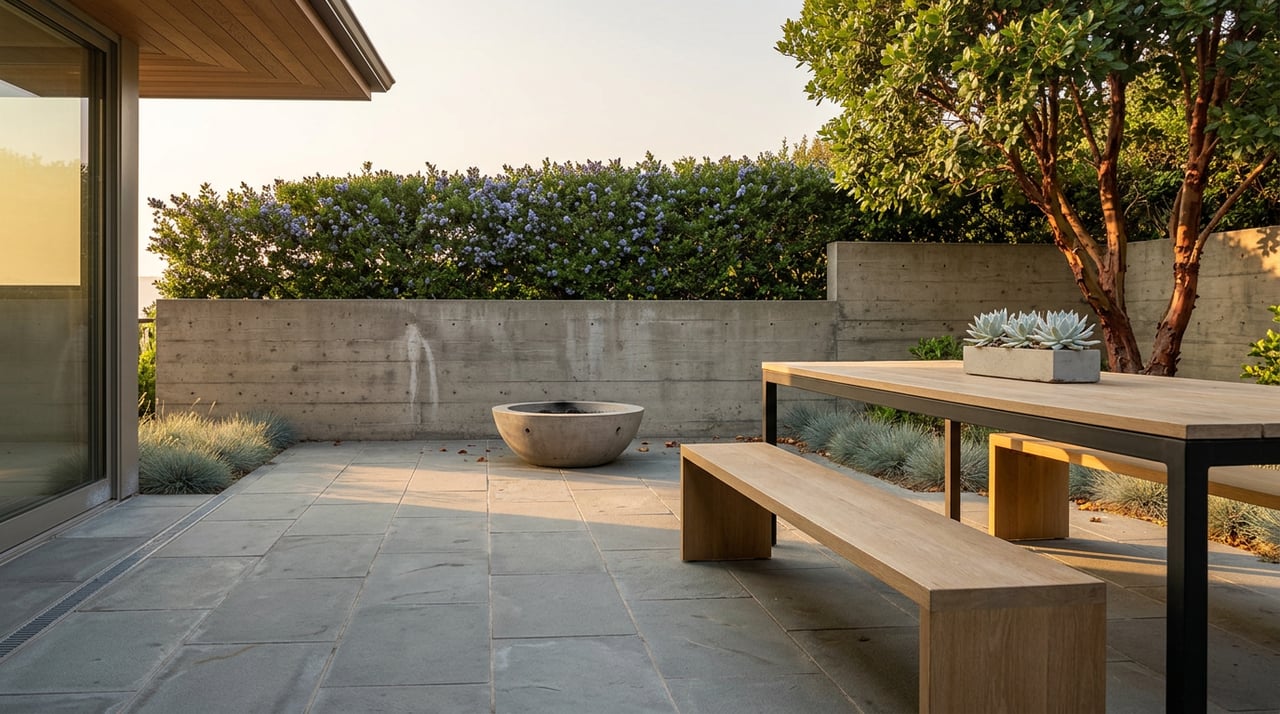
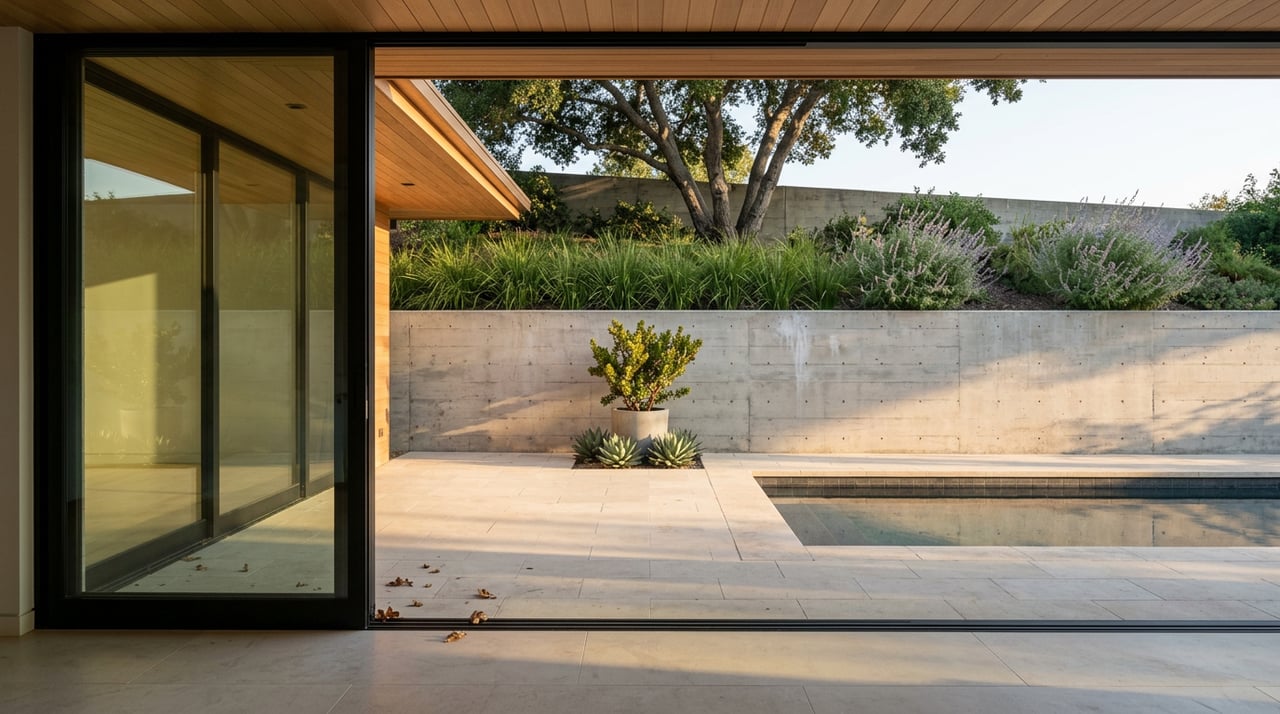
Clean horizontal lines, expansive glazing, and open plans that frame terraces and city or canyon views. Bel Air includes intact Case Study–era examples and thoughtful mid‑century renovations. For context on the Case Study program and local examples, see Dwell’s overview of iconic Case Study Houses.
Lot pattern and privacy
Often sited on slopes or bluffs. The design integrates the house into the terrain to maximize views, rather than creating formal gardens.
Amenities and maintenance
Large panes of original glass, exposed steel or wood, and slim roof profiles demand specialized care. Buyers often upgrade glazing for energy and sound performance, retrofit HVAC, and address aging mechanicals while preserving the architecture.
Buyer fit
You prize design authenticity and seamless indoor‑outdoor living, and you are comfortable investing in systems over cosmetic re‑styling.
Contemporary builds: tech and amenities
What you see
Newer modern estates with open plans, dramatic spans, and large walls of glass. Many combine parcels to create compounds with wellness centers, theaters, and auto galleries.
Lot pattern and privacy
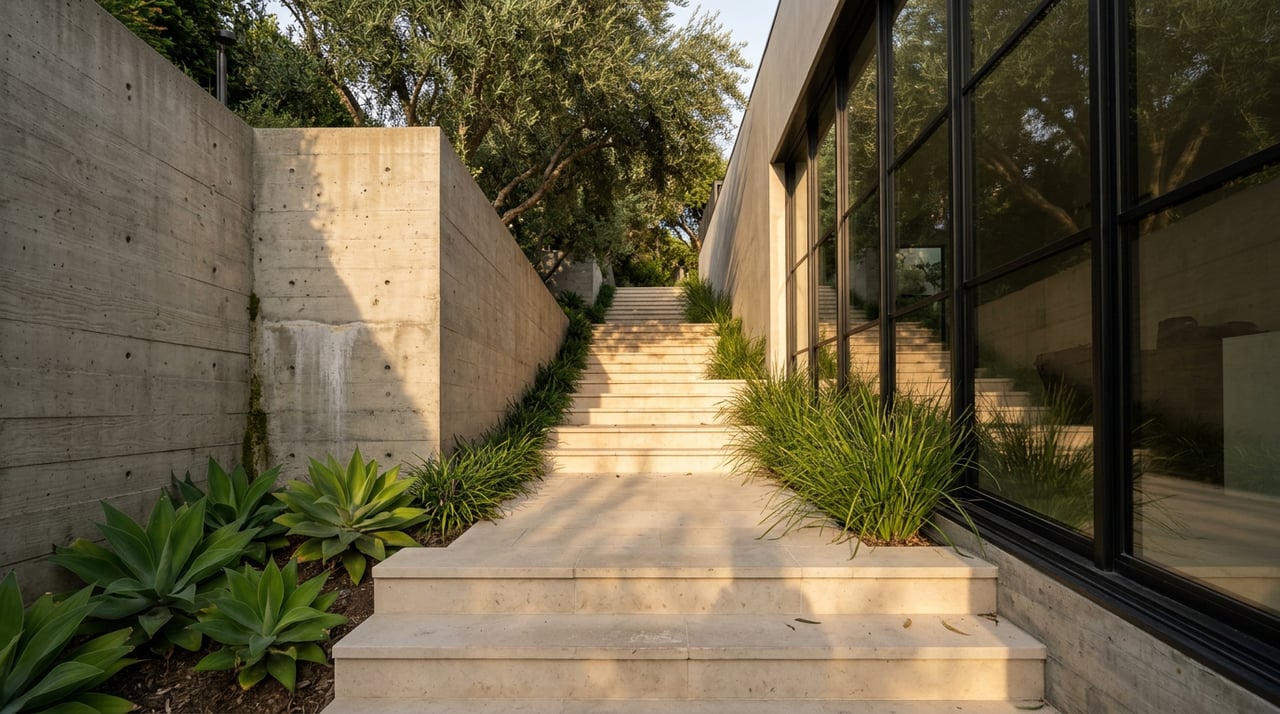
Frequently the result of teardown and lot assembly or building on large parcels where slope and code allow a modern pad. New builds are planned to balance expansive programs with local limits on size and hillside construction.
Amenities and maintenance
Newer systems can lower short‑term maintenance but increase long‑term complexity due to specialized mechanicals and integrated AV. Ultra‑large projects also carry entitlement and constructability risk, and the market history of high‑profile megamansions shows why scale and financing discipline matter. For a cautionary case study, review the Los Angeles Times reporting on “The One” megamansion outcome.
Buyer fit
You want turnkey living, advanced systems, and resort‑style amenities with privacy.
Lot form, zoning, permits
Hillside vs flat pads
Los Angeles applies a Baseline Hillside Ordinance that calculates allowable floor area on sloped lots by slope bands. Steeper bands allow less buildable area, and very steep segments may have no development rights. If you plan to expand or rebuild on a slope, secure a slope‑band analysis early. The city’s Baseline Hillside Ordinance guide explains how floor area is computed and what triggers apply.
On flatter, estate‑scale parcels, allowed size and setbacks are set by zoning, the city’s Baseline Mansionization rules, and any overlays. For parcel‑specific data on zoning, hillside status, and overlays, start with the city’s ZIMAS property information portal.
Amenity footprints and approvals
Pools, large terraces, guest houses, and significant grading typically require clearances and permits that can involve multiple agencies. Hillside grading limits and seasonal restrictions can extend timelines. Factor in added permit fees and possible haul‑route rules when planning.
Historic resource checks
Many pre‑1980 properties appear in the city’s preservation survey. If a home is designated or likely eligible as a historic resource, some exterior changes can require design review. Confirm status during due diligence using city planning resources.
Long‑term risks and costs
Wildfire and brush clearance
Parts of Bel Air sit in wildland‑urban interface zones, and the 1961 Bel Air fire helped shape local policy. California’s defensible‑space rules and the Los Angeles Fire Department’s brush‑clearance program affect landscaping and annual maintenance. Review fire‑science research on defensible space and stay current with LAFD guidance on wildfire readiness.
Slope and retaining walls
Hillside homes often rely on engineered slopes, drainage systems, and retaining walls. A current geotechnical report and permit history for past slope work are essential. Unpermitted repairs can be costly to correct and may complicate insurance or financing.
Speculation lessons
Very large speculative projects can face financing challenges and market sensitivity. Recent high‑profile Bel Air cases underscore why buyers should treat ultra‑large comparables cautiously and focus on documented sales.
Taxes and assessments
California’s Proposition 13 sets a base property tax of about 1 percent of assessed value, with reassessment at change of ownership and for new construction, plus any voter‑approved assessments. Expect supplemental tax bills after closing. Read the text of Proposition 13 in the California Constitution for details.
Your Bel Air due‑diligence checklist
- Verify zoning, overlays, and hillside status in the city’s ZIMAS system, and order a slope‑band analysis if the lot has any meaningful grade.
- Commission a geotechnical report that covers slope stability, retaining walls, and drainage, and request records for any past slope or drainage work.
- Confirm brush‑clearance compliance, roof type, and ember‑resistant features, and review current wildfire hazard maps and LAFD requirements.
- Compare permitted versus unpermitted structures such as guest houses, ADUs, terraces, or pools. Title, insurance, and refinancing can hinge on clean permits.
- If the home is architecturally significant or pre‑1980, investigate preservation status and potential design‑review implications before planning exterior changes.
- Align renovation budgets to the style: classic estates and Spanish Revival often need specialist crafts; mid‑century homes may require custom glazing and systems work; new builds on hillsides carry higher entitlement and hard‑cost profiles.
Bel Air offers range and rarity, from storied compounds to sculptural moderns. The best choice is the one that fits your lifestyle, timeline, and appetite for maintenance and permitting. If you want a curated shortlist, private opportunities, and a clear plan from due diligence through close, our team is here to advise with discretion and precision.
Ready to tour with a strategy and secure the right home, on your terms? Step Into a New Standard with Walters | Plaxen Estates - Main Site.
FAQs
What defines a classic Bel Air estate for buyers?
- Formal architecture on larger, often flatter parcels with motor courts, mature landscaping, and potential historic features that may require sensitive maintenance and review.
How does the Baseline Hillside Ordinance affect remodels?
- On sloped lots, allowable size is tied to slope bands, so expansions may be limited and can demand early slope analysis and careful permit planning.
What should I check on a mid‑century modern purchase?
- Inspect glazing, structure, and mechanicals, and budget for upgrades to energy, sound, and HVAC that preserve the home’s design character.
Are Bel Air homes at risk from wildfire, and what should I do?
- Parts of Bel Air are in high fire‑hazard zones; verify brush‑clearance compliance, roof materials, and ember‑resistant details and follow LAFD guidance.
How do property taxes work after a Bel Air purchase?
- Under Proposition 13, your assessed value typically resets at purchase price plus local assessments, and you should expect a supplemental bill after closing.
Can I add a guest house or wellness pavilion on my lot?
- It depends on zoning, overlays, hillside status, and lot size, so confirm your buildable envelope and approvals with ZIMAS data and city planning early.